
Start here
Your anger isn't anger. It's grief with nowhere to go.
The one emotion many of us were allowed, and everything it has been quietly carrying. Our most-read piece.
Read the full piece →

Fenweh writes like a publication, not a brochure. Everything here exists to be genuinely useful and true, and to be waiting when you are ready. No listicles, no jargon, no fixing.
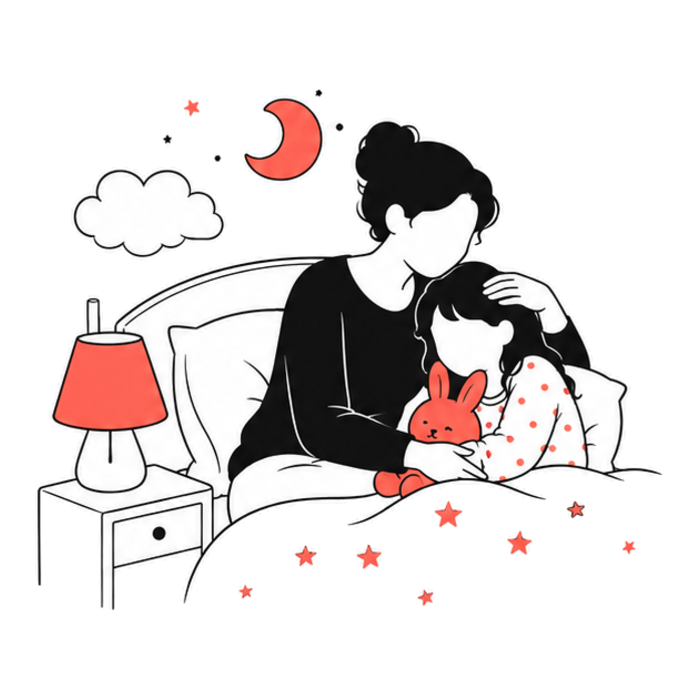
Parentification in Indian families, and how to finally set the load down.
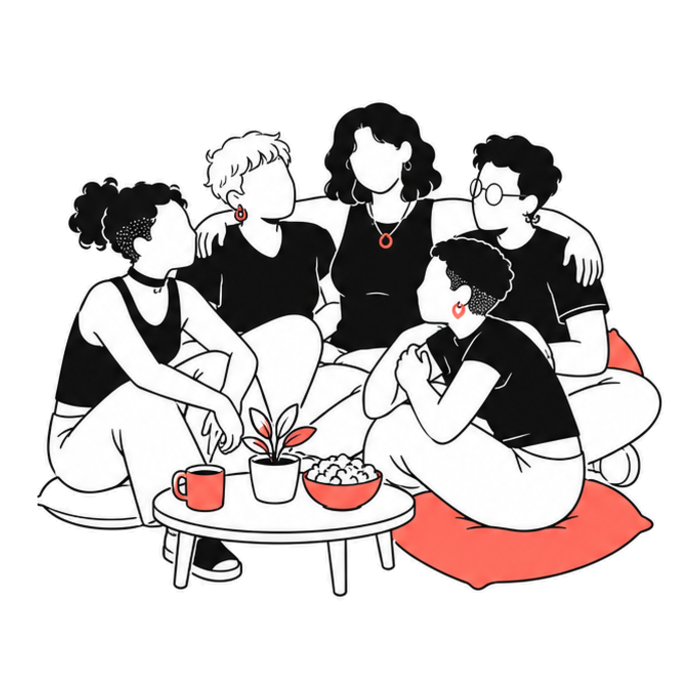
The code-switching, the pronoun math, and the closet you step back into for festivals.

Cultural-translation fatigue, and what it means to be understood without the backstory.

How burnout disguises itself as a character flaw, and the worth wound underneath.

The session-8 idea, and why one session is the trailer, not the film.

On the quiet moment of recognition when someone finally describes it back to you.

Often, yes. When you stop muting things, they get louder before they settle.

The shame economy of the Indian family, and quietly taking your choices back.
Recognition, in your inbox. No spam, no selling, and you can leave whenever you like.
The Recognition Series is not advice and it is not a diagnosis. It is language. Most people do not need to be told what to do first, they need to be able to say what is happening.

You do not have to finish anything here. These pieces are written to be recognised in, not studied.